Descent and origin
Establish the qualifying parent or ancestor, nationality at the relevant date and each civil-record link. Check generation limits, registration deadlines and whether nationality was transmitted automatically.
 CYBUSINESSGLOBAL BUSINESS INTELLIGENCE
CYBUSINESS GLOBAL MOBILITY
Understand the legal ground, evidence and application sequence, then open the country chapter for the conditions that apply.
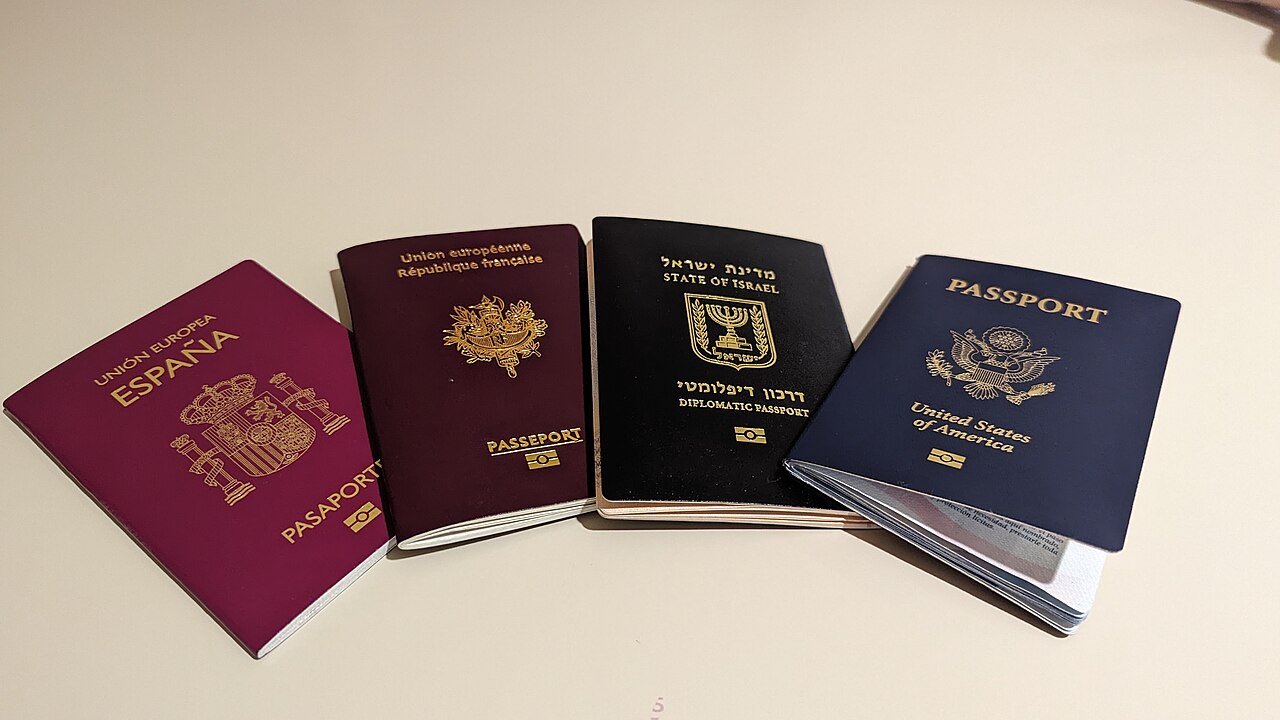
Horizon206 · Photo source · CC0 · Cropped to fit. Editorial illustration; not an identification of an authority or service.
Select any of 203 jurisdictions and locate published passages on residence, language, dual nationality, family, investment, documents and fees.
Open citizenship conditionsEstablish the qualifying parent or ancestor, nationality at the relevant date and each civil-record link. Check generation limits, registration deadlines and whether nationality was transmitted automatically.
Check the qualifying residence status, years counted, absence limits, language, civic tests, income and character conditions. Reconcile travel history to the statutory period before applying.
Check whether marriage changes the residence period or creates a separate application ground. Establish the spouse’s nationality, marriage recognition and any cohabitation requirement.
Open the country chapter to establish whether a legal programme operates. Confirm the competent authority, permitted investment, due diligence, dependant eligibility and refund conditions before payment.
Review former nationality, historical loss, adoption or other statutory grounds. Establish the exact legal category and evidence of the earlier status.
Confirm acquisition of citizenship and obtain the required certificate or civil registration. Apply separately for the passport, with identity checks, photographs, fees and any biometric appointment.
Collect identity and civil records, lawful residence history, travel dates, police certificates and any language or civic evidence. Verify translations and legalisation before ordering documents. Check the treatment of dual nationality and whether approval includes an oath, renunciation, registration or additional formalities.
Record government charges separately from translations, certification and professional fees. Use the authority’s published processing information for the specific category. Maintain lawful residence and work permission while an application is pending where required.
Open any of the 203 citizenship chapters for the relevant legal framework and public sources. Exceptional jurisdictions describe their restricted eligibility.